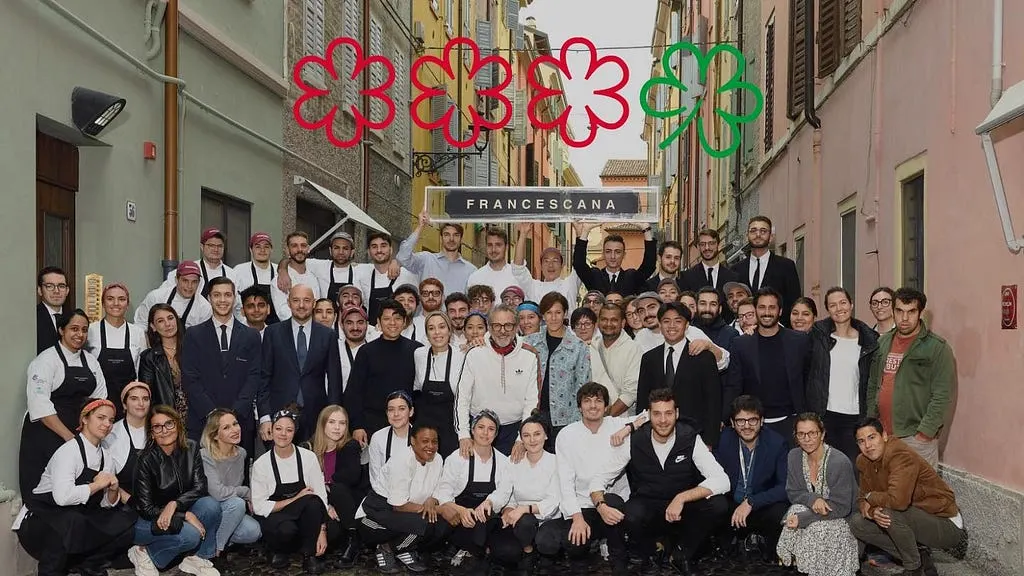
This Michelin chef is smarter than most SaaS founders
Originally posted on Medium on
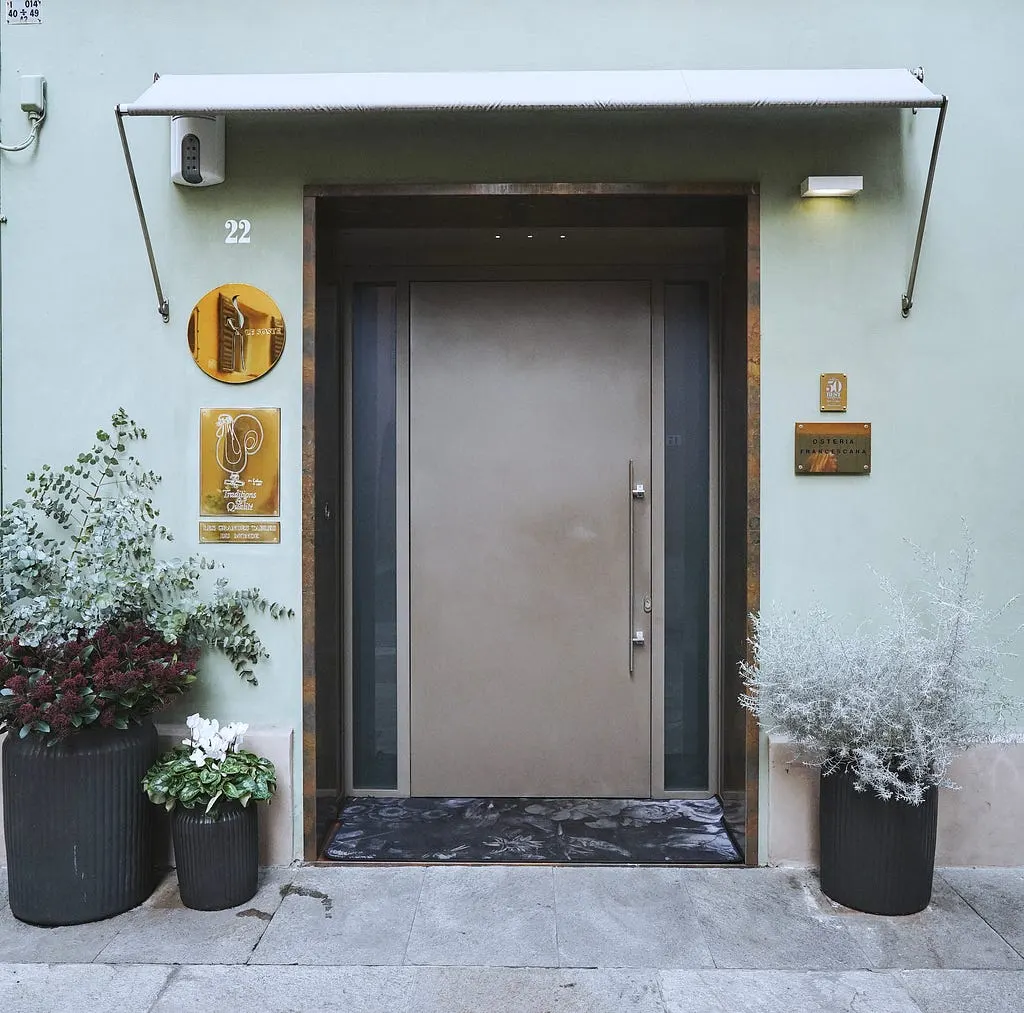
It is 12:28 PM.
My wife and I, along with ten other people, are waiting outside the restaurant, which is about to open.
This isn’t an ordinary restaurant. It is one of the top five in the world and, for several years, was ranked number one. As the clock ticks, I patiently wait for the doors to open, feeling the same anticipation as I would for a museum, a concert, or an exclusive art exhibition.
At 12:30 PM, the time has come.
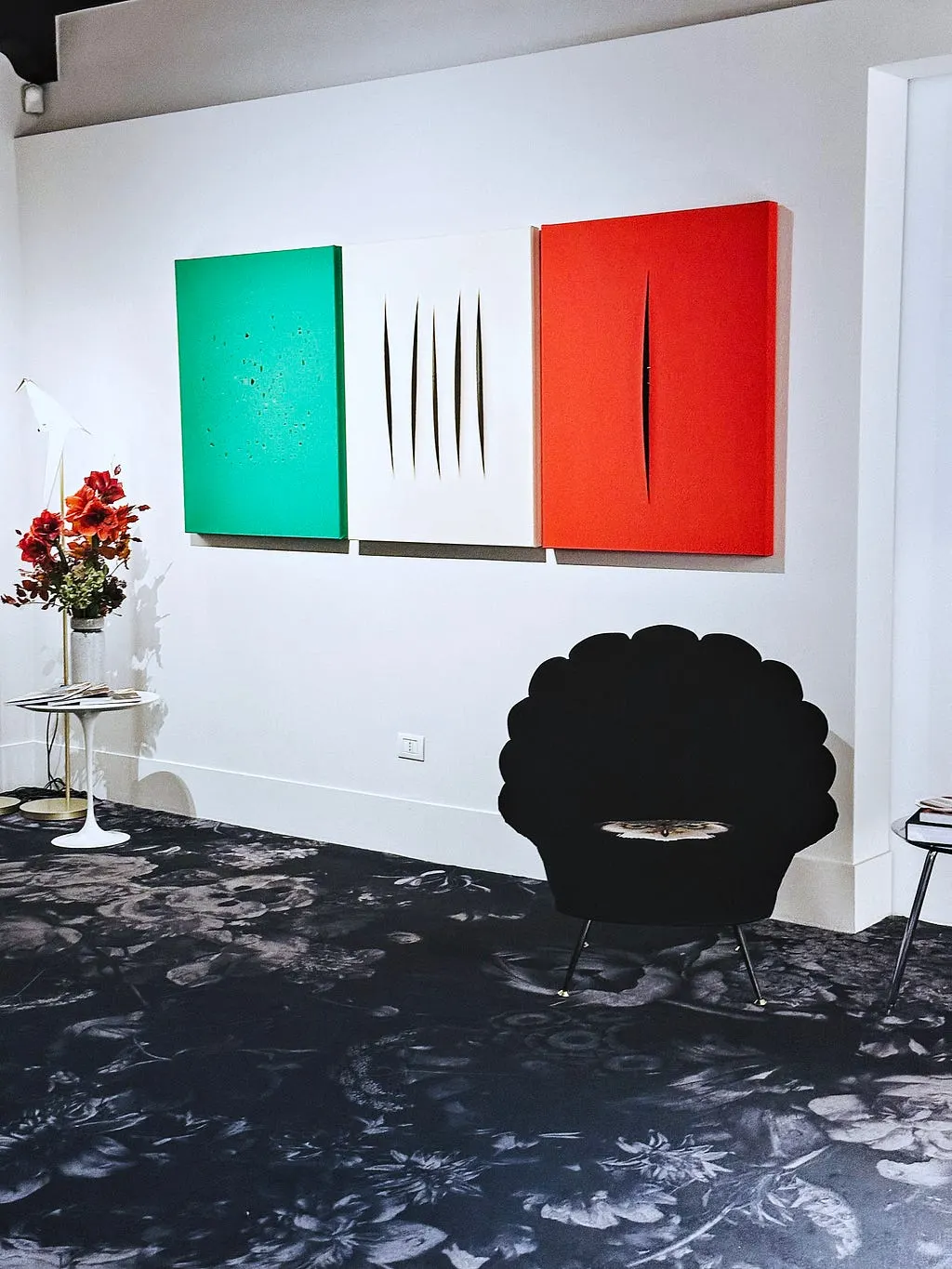
A home-like door swings open, revealing no one behind it, and we step into the infamous Osteria Francescana, the brainchild of legendary chef Massimo Bottura in Modena, Italy. The lobby is adorned with paintings and art pieces that rotate periodically. We hand over our coats, and the friendly staff shows us to our table. The dining room feels like an old Italian living room, illuminated with beautiful lighting and decorated with original artwork from icons like Andy Warhol. Even the plates and glasses are custom-made for Massimo Bottura, evoking scenes from Netflix’s Chef’s Table. But how did we end up here?
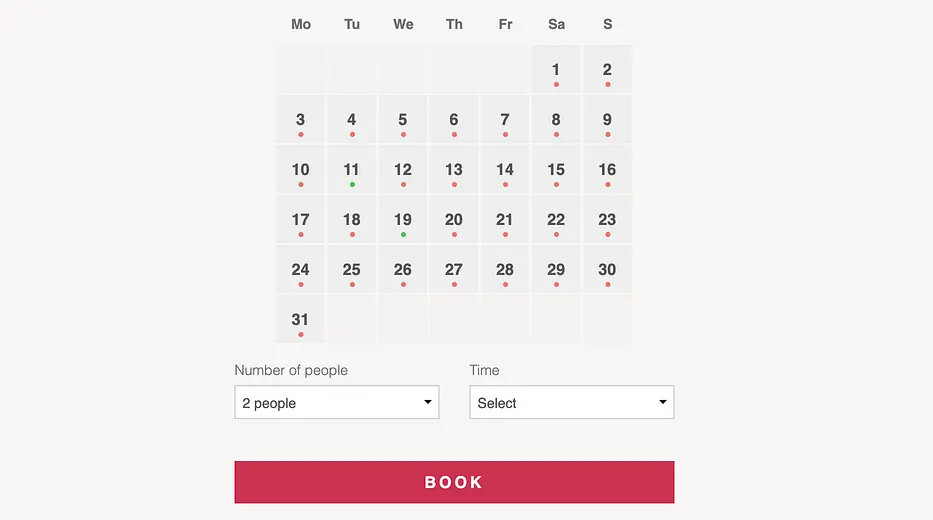
Two months earlier, I was sitting in my living room. We had already booked tickets to Bologna for a short four-day trip. While scrolling through social media, I came across Massimo Bottura. Suddenly, my neurons connected, and an idea landed in my mind: let’s check if there’s a table at his restaurant. With zero confidence, I searched for reservations, knowing full well that it’s nearly impossible to get a table without booking six months in advance. For the day you select, reservations open six months ahead and usually fill up in minutes. I selected the dates, and voilà! There was a single table available due to a cancellation. I booked it immediately.
Back at the restaurant, the first dishes started arriving. Each one was more beautiful and delicious than the last, creating a crescendo of gastronomic delight. As the waiter poured more wine, I noticed the Chef — Massimo Bottura himself — walking through the restaurant, greeting guests. How lucky could I get? Not only had I snagged a table through a cancellation, but I was now about to meet one of the busiest chefs in the world. This felt like a dream.
When he finally approached our table, I quickly shook his hand and started talking:
“Everything is so beautiful, chef well done! But the reservation process is very difficult. We found a cancellation and were fortunate to come. Why is it like that?”
His response shocked me:
“With all due respect Andrew, I don’t want customers like you who come here because they’re touring the area or are simply hungry. It is designed this way. I want you to book six months in advance and plan your trip solely for my restaurant — the same way my team and I prepare exclusively for you and the honor you are doing us.”
I didn’t see that coming.
It was a bold statement from a very bold chef.
Most business owners might apologize and blame their popularity or high demand, but Bottura’s system is like this by design. He knows the quality of his craft and the product he’s offering. He has identified the profile of the ideal customer he wants to attract and has set the tone and language of how he does business.
This is the power of an Ideal Customer Profile (ICP).
Bottura’s response wasn’t just a philosophy — it was a masterclass in understanding and targeting an Ideal Customer Profile (ICP). By intentionally designing a process that aligns with his vision, Bottura ensures that his customers are not only patrons but passionate ambassadors of his work. Businesses that identify and cater to their ICP, set themselves apart from competitors and elevate their value.
Why is an ICP so crucial? It ensures every aspect of your business aligns with the type of customer who will derive the most value from your product or service — and in turn, offer the most value back. Whether you’re a Michelin-starred chef or a SaaS founder, defining your ICP gives you clarity and direction.
Benefits of an Ideal Customer Profile
- Loyalty: Like Bottura’s guests, who are more likely to return and recommend his restaurant, focusing on your ICP builds a loyal customer base.
- Efficiency: Knowing your ICP means your marketing messages resonate deeply, reducing wasted effort on uninterested audiences.
- Satisfaction: When your offerings are tailored to an ICP, your customers feel understood, appreciated, and valued.
- Brand Identity: Businesses that cater to their ICP create a consistent brand story, enhancing recognition and reputation.
By defining and designing for your ICP, you can transform your business from a commodity to a destination — just as Bottura turned Osteria Francescana into a gastronomic pilgrimage.
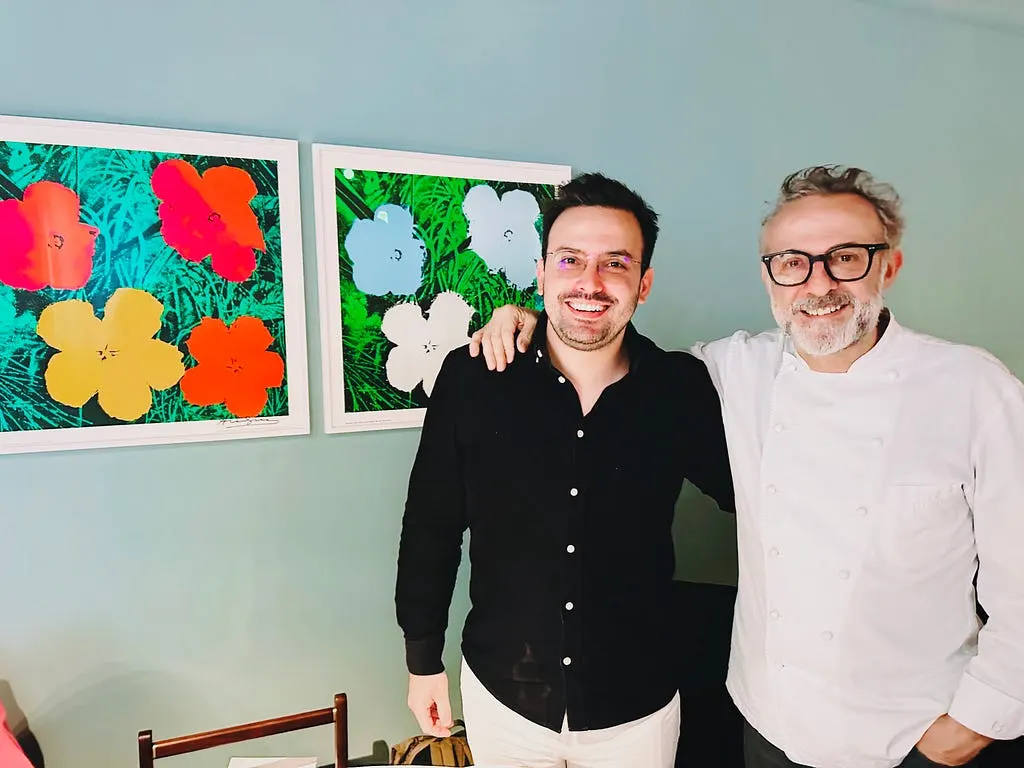
P.S.: That day, Massimo was in the Restaurant due to the upcoming Michelin stars announcement the following day.
https://www.instagram.com/p/CzwW8IeNenR/