
One size fits none
Published on
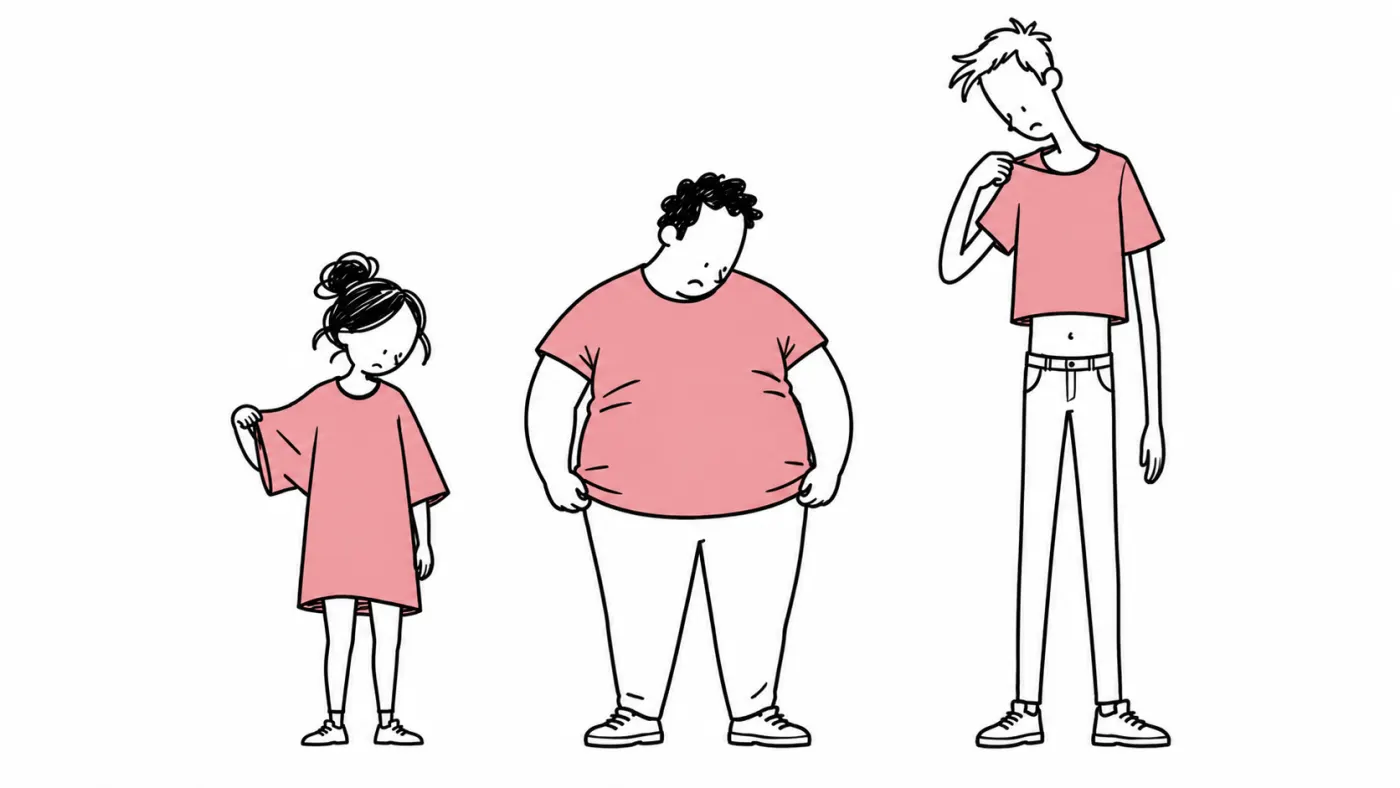
Imagine you are in a clothing store. You want to buy a T-shirt.
You look through the rack, find your favorite color and drape, and start checking the sizes. But instead of the usual S, M, L, every shirt has your name on the tag.
For a second, you're confused. This isn't a tailor shop, just a regular rack in a department store. How is that possible? And then it hits you: why not? Every person is unique, so why force a body into three buckets and call it done?
That's a glimpse of how AI is starting to shape our experiences and services: not one size for the crowd, but something cut for you, at the scale of a department store.
How we got here
For most of human history, clothes were made to order. You went to a tailor and stood still while someone measured your chest, sleeves and inseam. They cut the cloth by hand, and you waited days or weeks, paying for the labor as much as the fabric. A good fit was possible, but expensive. Custom clothing was for those who could afford it; most people mended, remade or went without.
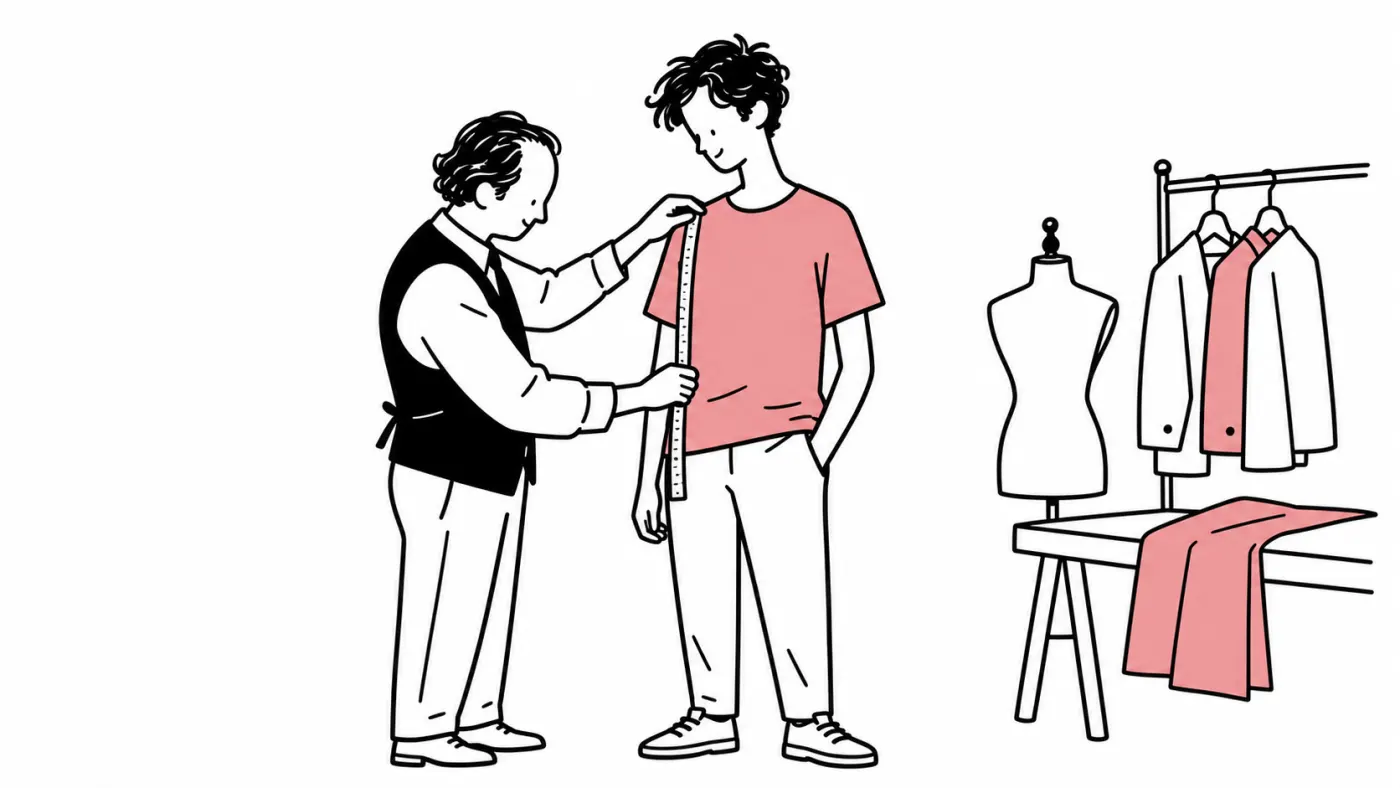
Then industry learned how to scale. During the War of 1812, the U.S. needed uniforms in volume, and ready-made garments stopped being a curiosity. Through the 1800s, the sewing machine turned days of hand stitching into hours. The Civil War pushed it further: armies needed thousands of the same cut, so factories measured soldiers, built proportional sizing and ran the same pattern again and again.
Cost fell with every step. In the late 1860s, about a quarter of U.S. garments were ready-made. By 1890 it was roughly sixty percent, and by 1951, ninety. Merchants needed a language for inventory, so the body became a chart: Small, Medium, Large.
Close enough for most people, cheap enough for more people.
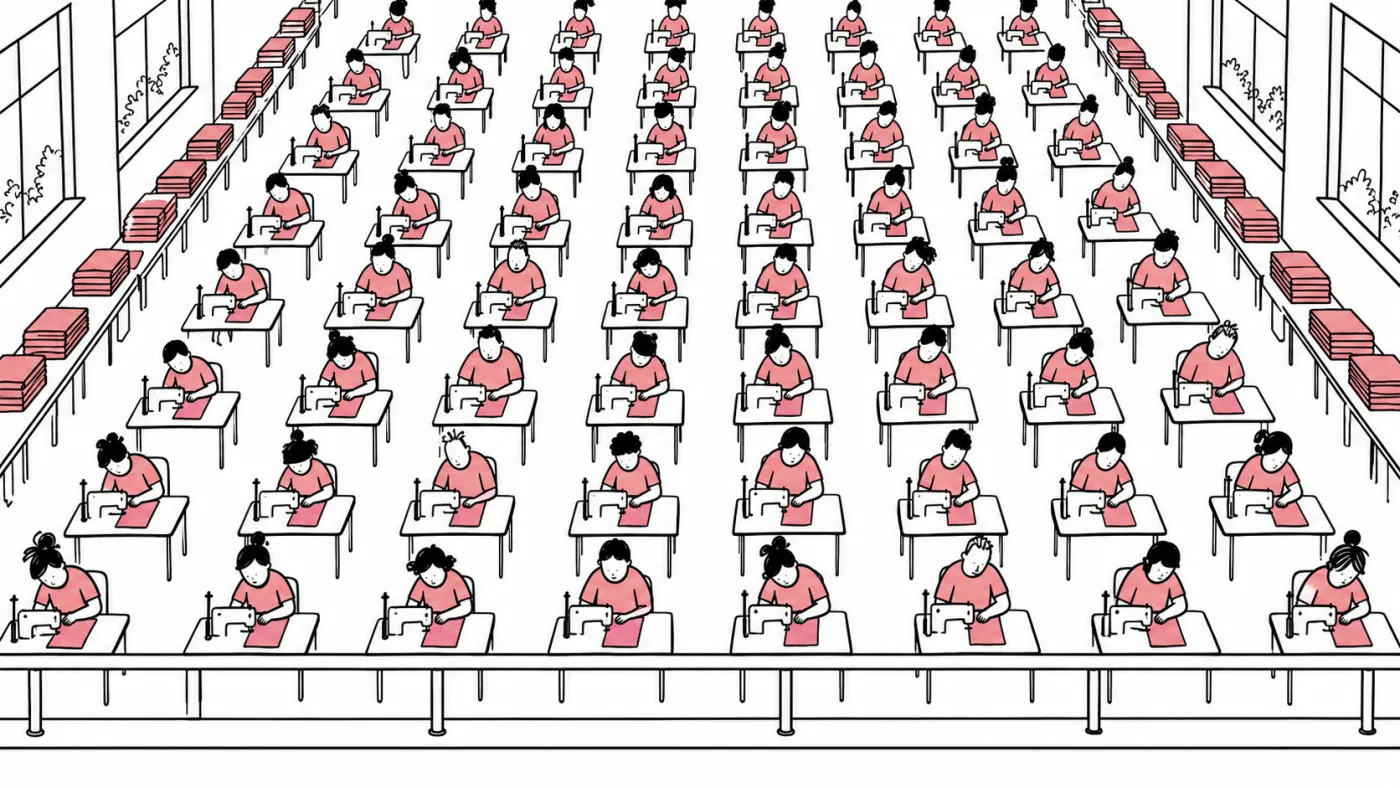
That was the deal: make more of the same thing, bring down the cost and fill the racks. The average body got a shirt; your exact body got whatever was nearest.
Then stretch arrived. In the mid-1950s, stretch nylon began collapsing long hosiery size charts into a few elastic fits. Spandex followed at the end of the decade, and by the 1960s "one size fits all" had become a selling point. More people could buy the clothes, but they still had to settle for the nearest fit.
We traded fit for access. That trade made sense when the only way to make something for one person was to pay a craftsman by the hour.
Software has the same problem
A company solves a real problem for a large customer base. Then it draws a picture of the buyer it wants: industry, company size, job title, budget. That ideal customer profile becomes the filter for what gets built.
Features go to the customers who fit the profile, and priority goes to whatever wins the most accounts. Edge cases get parked. Integrations wait.
So you buy the product, and it covers a lot, until it doesn't. Your team tracks deals by region, but the report only groups by rep. There's one approval step only your company does, and the workflow has nowhere to put it. You open a ticket, wait for a roadmap vote and pray to be average enough to make the final list.
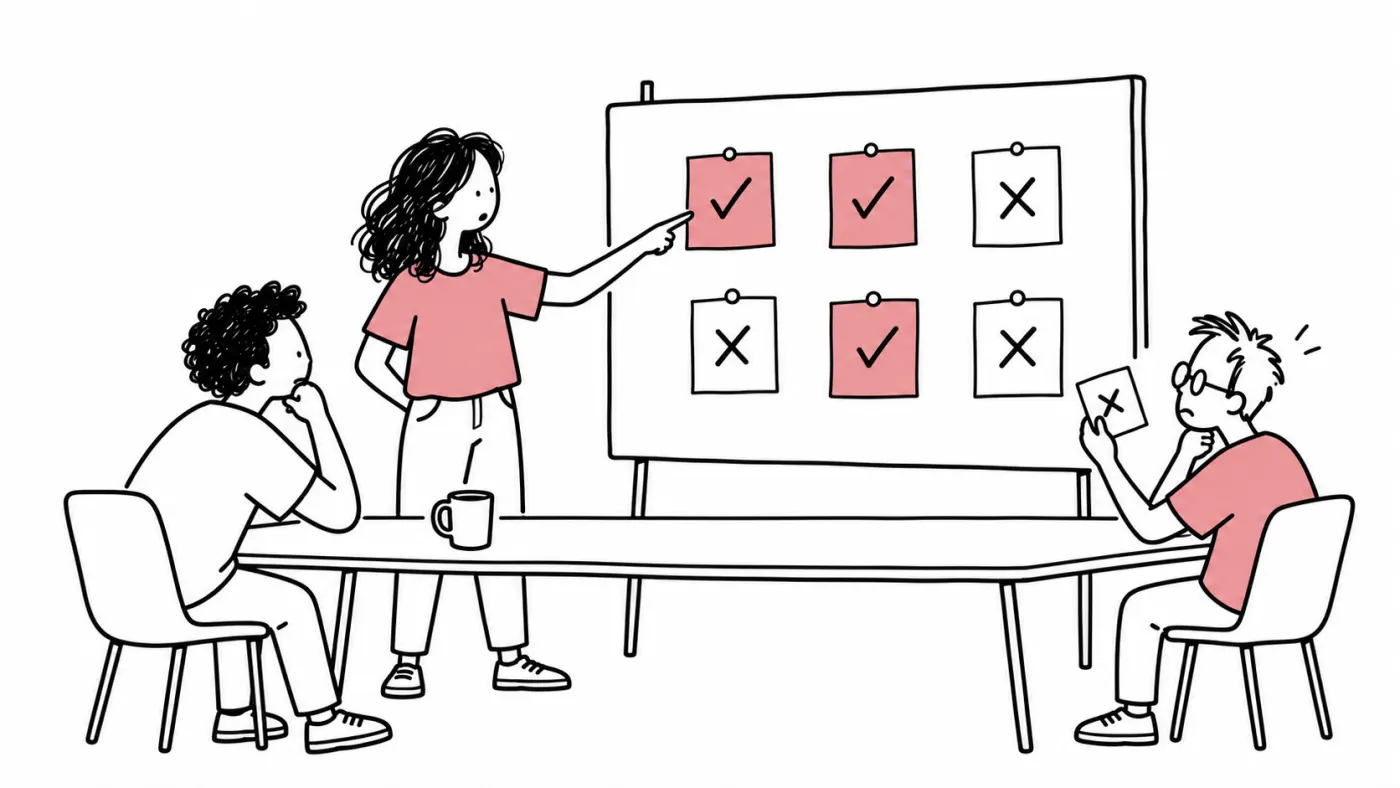
Mass software is ready-to-wear. It fits the customer profile, but it doesn't always fit you.
AI is the return of the tailor, at factory speed
Now you can describe what you need and get software shaped around the way you work, not around a customer profile. No roadmap vote, no waiting for ten thousand other accounts to ask for the same thing.
More people are building software around problems they know firsthand, and you can see it in the numbers. On Lovable alone, people were creating 25,000 new projects a day in February 2025. By June 2026, it was a million a week, and four out of five surveyed users described themselves as nontechnical.
It's happening inside existing codebases too: agents created 17 million pull requests on GitHub in March 2026.
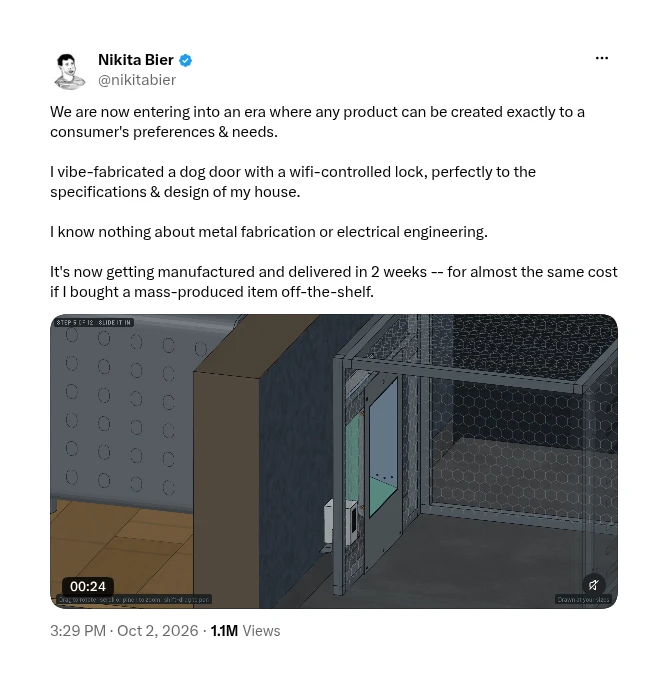
It's starting to happen with hardware as well. Nikita Bier recently vibe-fabricated a dog door with a Wi-Fi lock, cut to the specs and design of his house, while knowing nothing about metal fabrication or electrical work. He said it was being manufactured and would arrive in two weeks, for almost the same cost as a mass-produced one.
Of course, a project created is not a product shipped. Many will never get past the first prompt. But you no longer need thousands of people to share a problem before someone builds for it. You can build for yours and see whether it works.
A personal example
This week, my mom and my aunt are visiting me in New York. A few years ago, I'd have looked for a travel app built for millions of tourists, paid a subscription and worked around everything it didn't do. Instead, I built them one with Claude in about 20 minutes: their itinerary, things to try, emergency phone numbers, and cards with directions back to my place in case they get lost.
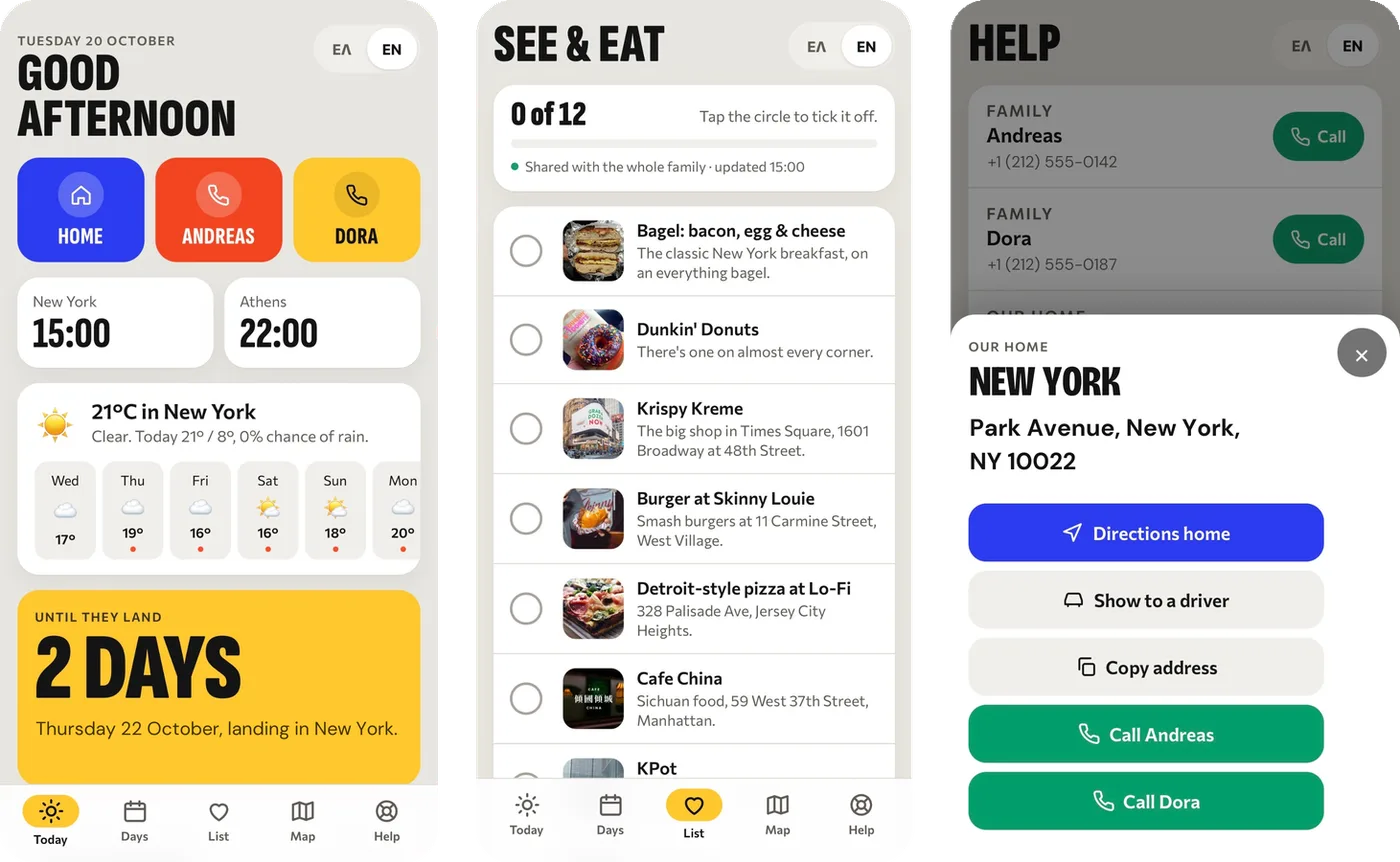
It isn't a product. It's made for exactly two people, for one week. That's the point.
Sometimes it will be disposable, like fast fashion: generate it, use it once, throw it away. Other times you'll keep it, and keeping it has a cost, because someone has to maintain what you made. Either way, it's built for you.
One size was never a feature. It was a constraint of the machines we had.
We have different machines now.
My size fits me.
Sources
- Ready-to-wear — Wikipedia: War of 1812 uniforms and the growth of ready-made clothing.
- Ready-to-Wear — Encyclopedia.com: sewing machines, Civil War measurement systems, and sized patterns.
- U.S. standard clothing size — Wikipedia: army sizing and commercial standards.
- The Invention of Stretch Nylon — NC State: stretch nylon reducing hosiery size ranges.
- History of LYCRA fiber: spandex from 1958 into 1960s apparel.
- Lovable’s February 2025 figures: 25,000 new projects a day.
- Lovable’s June 2026 study and user survey: one million projects a week and the roles of surveyed builders.
- GitHub COO Kyle Daigle interview: agent-created pull requests.
- Nikita Bier on X: the custom dog door.
